Harringay Green Lanes end of tenancy cleaning guide
Posted on 02/05/2026
Harringay Green Lanes End of Tenancy Cleaning Guide
If you're moving out near Green Lanes, you already know the last few days can feel oddly chaotic. Boxes everywhere, a half-empty fridge, keys to hand back, and that nagging thought: have I cleaned enough to satisfy the landlord or letting agent? This Harringay Green Lanes end of tenancy cleaning guide is here to make that part easier.
The goal is simple. Leave the property in a condition that meets the tenancy agreement, looks cared for on inspection, and reduces the risk of cleaning-related deductions. That sounds straightforward, but in practice it's often the small details that decide whether the handover is smooth or stressful. Skirting boards, oven grease, bathroom limescale, hidden dust behind radiators... the usual suspects.
Below, you'll find a practical, local-friendly breakdown of what end of tenancy cleaning involves, how to approach it properly, when to call in help, and how to avoid the mistakes that cause trouble at checkout. If you want broader support for moving-day cleaning in the area, our end of tenancy cleaning in Harringay page is a useful starting point, and our services overview can help you compare cleaning options without the jargon.
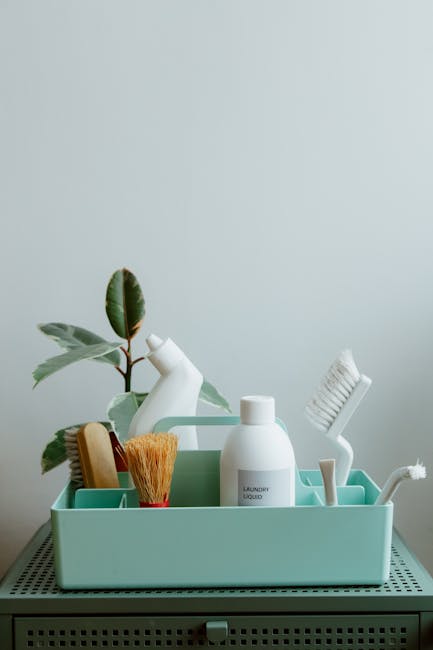
Why Harringay Green Lanes end of tenancy cleaning guide Matters
End of tenancy cleaning matters because it sits right at the intersection of deposit protection, property condition, and plain old first impressions. Even if you've lived somewhere carefully, a home naturally accumulates grime over time. Cooking vapour settles on kitchen cupboards. Bathroom seals pick up mildew. Floor edges collect dust. It happens quietly, then suddenly it's inspection day.
Along Green Lanes and the surrounding streets, homes vary a lot. You might be leaving a compact flat above a shop, a Victorian terrace conversion, or a newer apartment with sharper finishes that show marks more easily. Different properties, same problem: the check-out standard is usually higher than a normal weekly clean. That's why a targeted move-out clean makes sense rather than a quick tidy-up.
There's also a practical side. If the place is clean enough to hand back with confidence, you reduce the back-and-forth with the agent. Nobody enjoys an email thread about bathroom grout when they're already moving, do they? A good clean won't fix wear and tear, and it shouldn't be expected to. But it can remove the avoidable issues that get mistaken for neglect.
Expert summary: End of tenancy cleaning is less about making a place look "nice" and more about restoring it to the standard the next occupant and inventory clerk will reasonably expect.
For tenants wanting a broader local context, our local guide to Harringay living offers a useful picture of the area and daily life around it. And if you're moving on because you're buying rather than renting, this property buying guide for Harringay may help you plan the next step more calmly.
How Harringay Green Lanes end of tenancy cleaning guide Works
A proper end of tenancy clean follows a sequence, not a random blast with a spray bottle. You start high and finish low. You clean from the back of each room towards the exit. You deal with grease and limescale before polishing surfaces. Simple enough, but rushing breaks the rhythm.
In practice, the process usually includes a full kitchen clean, bathroom sanitation, dust removal from overlooked spots, floor care, inside cupboards, and detailed attention to fixtures and fittings. If carpets or upholstery need a lift as well, that can be added separately through carpet cleaning in Harringay or upholstery cleaning services depending on the furnishings.
There are two main approaches:
- DIY end of tenancy cleaning - better if the property is small, the condition is already good, and you have time, patience, and the right tools.
- Professional end of tenancy cleaning - often worth it if you're short on time, the property is larger, or you want a more thorough and efficient result.
To be fair, many people start with DIY and then realise the oven alone has opinions of its own. That's when they call in help. If you want to understand how a professional service is structured, the deep cleaning in Harringay page is useful because end of tenancy work overlaps with deep-cleaning methods more than people expect.
Most reputable cleaners will work from a checklist and focus on the areas that inventory clerks usually inspect most closely: kitchen grease, sanitary fixtures, dust on fittings, limescale, and the overall presentation of the rooms. The better the checklist, the fewer surprises later. That's the real game here.
Key Benefits and Practical Advantages
The biggest benefit is obvious: a better chance of passing the final inspection cleanly. But there's more to it than deposit protection. A good move-out clean makes the whole handover feel more controlled, and that matters when you're already juggling movers, utilities, address changes, and maybe one last run to the shop for tape because somehow the tape has vanished.
1. Stronger inspection outcome
When the property is cleaned properly, the condition is easier to compare against the inventory report. That can help avoid disputes over things that are really just dirt, not damage.
2. Less stress on moving day
If cleaning is left to the last minute, it tends to spill into the move itself. A planned clean frees up headspace. That alone is worth a lot.
3. Better presentation for the next occupant
This sounds modest, but it matters. A fresh, well-cleaned property feels respected. Agents notice. Landlords notice. Future tenants certainly notice.
4. More efficient use of time
Professional cleaning can compress a job that might take a tenant a full day or more into a much more manageable process. If you'd rather spend that time dealing with the move itself, that's a sensible trade-off.
5. Added value when paired with related services
For some homes, the best result comes from combining a move-out clean with specialist help such as spring cleaning in Harringay or one-off cleaning services for a particularly tired property.
Practical takeaway: if the flat has been lived in for more than a year, or if you can already see build-up in the kitchen or bathroom, a deep, structured clean is usually more effective than a quick reset.
Who This Is For and When It Makes Sense
This guide is for tenants, flat-sharers, landlords, and even buyers or sellers who need a property presented well before handover. The immediate audience is renters moving out around Green Lanes, but the advice also helps anyone preparing a property for a new occupant.
You'll probably find it most useful if:
- you're at the end of a tenancy and want to reduce the chance of deductions;
- you share a flat and need to coordinate cleaning responsibilities fairly;
- you've been busy and the property needs more than a surface tidy;
- you're a landlord between tenancies and want the place ready quickly;
- you're selling or letting a property and want it to look properly cared for.
If you're in the last group, our selling property in Harringay article may be handy, because presentation really does influence how people feel about a space. A clean home reads as a maintained home. That's just human behaviour, let's face it.
And if you're not sure whether a full professional clean is worth it, ask yourself a simple question: do you actually have time to do the level of detail expected? If the answer is no, or even "sort of", that's usually your cue.
Step-by-Step Guidance
Here's a straightforward way to tackle end of tenancy cleaning without spiralling into chaos.
Step 1: Read the tenancy agreement and inventory
Start with the paperwork. Look for any cleaning clauses, carpet requirements, or specific instructions. The inventory report is especially useful because it tells you what condition the property was recorded in at the start. That gives you a realistic benchmark.
Step 2: Remove personal items first
Cleaning around clutter is slower and less effective. Clear cupboards, shelves, fridge contents, bathroom products, bins, and hidden items from under beds or furniture. You'd be surprised how often a single forgotten drawer delays everything.
Step 3: Work room by room
Don't bounce around the property. Finish one room before moving to the next. It makes it easier to spot what's been done and what hasn't.
Step 4: Start with the kitchen
The kitchen is usually the hardest area. Focus on:
- oven, hob, extractor, and splashback;
- cupboard fronts and handles;
- sink, taps, and drain area;
- fridge and freezer inside and out;
- crumbs and grease behind appliances.
If the oven is particularly stubborn, professional help can save hours. Grease rarely leaves politely.
Step 5: Tackle the bathroom carefully
Limescale, soap residue, and mould spots are the usual culprits. Clean the toilet, sink, bath or shower screen, tiles, tap fittings, and extractor vent. A fresh bathroom makes a property feel much newer than it is.
Step 6: Dust overlooked surfaces
This includes skirting boards, light switches, door frames, tops of cupboards, radiator fronts, and window sills. These are the details that catch the eye during an inspection. Not glamorous, but important.
Step 7: Clean floors properly
Vacuum carpets, sweep hard floors, and mop where needed. If carpets have stains or heavy wear, consider specialist carpet cleaning rather than hoping a standard vacuum will do miracles. Spoiler: it won't.
Step 8: Finish with glass and final checks
Wipe mirrors, interior windows, and any glass doors. Then do a final walkthrough with the lights on. Look for missed dust, smudges, or odours. Open a window for a short while if needed. Fresh air helps more than people think.
Expert Tips for Better Results
Little things make a big difference in end of tenancy cleaning. Here are the details that experienced cleaners usually keep in mind.
- Use the right product for the right surface. Strong chemicals can damage delicate finishes, especially around stainless steel, sealed wood, or bathroom fittings.
- Let products sit where needed. Oven cleaner and bathroom descalers often work better with a short dwell time. Rushing wastes effort.
- Don't clean over dust. If a surface is dusty, wipe it first; otherwise you just smear the mess around.
- Take care with appliances. Unplug when appropriate and follow the manufacturer's instructions if you're cleaning inside or around electrical items.
- Focus on smell as well as appearance. A room can look clean but still feel stale. Bin areas, fridge seals, drains, and soft furnishings can all hold onto odours.
- Photograph the cleaned property. Even a few quick images can help if there's a later dispute about condition.
There's also a timing trick that helps. If possible, clean after bulky furniture has gone but before the final exit. That way, you can reach the corners, edges, and hidden areas properly. A clean room with nothing in it always looks better than the same room half-packed and slightly defeated.
If you're planning a broader refresh rather than just a move-out clean, our domestic cleaning in Harringay and house cleaning services pages are helpful for understanding recurring versus one-off support.
Common Mistakes to Avoid
Most end of tenancy cleaning problems come from rushing, assuming "clean enough" is enough, or skipping the boring bits. The boring bits are, annoyingly, the bits that often matter most.
Leaving the kitchen until last
By the end of the day, energy drops and the kitchen becomes a half-hearted scrub. That usually means grease gets missed. Always do the kitchen early, while you still have patience.
Ignoring hidden spots
Behind the toilet, under appliances, along the tops of door frames, inside cutlery drawers - these areas are easy to overlook. Inventory checks love this sort of thing.
Using too much product
More cleaner does not equal better results. It often leaves residue, streaks, or sticky surfaces. Use enough, not heaps.
Forgetting limescale and mould spots
Bathrooms in London often deal with hard-water marks and damp-prone corners. If you just wipe over them, they remain obvious. Treat the cause, then the surface.
Not checking the tenancy terms
Some agreements contain cleaning expectations that affect the final handover. It's better to know early than argue late.
Assuming carpets are fine because they "look okay"
Carpets can appear acceptable in daylight and still fail once inspected closely. If they've been walked over daily for months, they may need more than vacuuming.
Leaving everything for the final morning
This one causes a lot of unnecessary drama. The moving truck arrives, someone can't find the kettle, and suddenly the bathroom has to be cleaned in a rush. Not ideal. Not even close.
Tools, Resources and Recommendations
You don't need a van full of equipment, but a few reliable tools make the work much easier. Basic, yes. Essential, also yes.
| Cleaning Area | Useful Tools | What to Watch For |
|---|---|---|
| Kitchen | Degreaser, microfibre cloths, non-scratch sponge, oven cleaner | Avoid scratching glass, chrome, and enamel finishes |
| Bathroom | Limescale remover, toilet brush, grout brush, gloves | Ventilate the room and do not mix chemicals |
| Floors | Vacuum, mop, broom, floor-safe detergent | Check flooring type before using water heavily |
| Glass and mirrors | Glass cleaner, lint-free cloth, squeegee | Work in sections to avoid streaks |
| Detail work | Small brush, cotton buds, old toothbrush, step stool | Use gently around vents, frames, and corners |
For some households, an all-in-one service is simply the most practical option. If you want to compare cleaning categories, take a look at spring cleaning, one-off cleans, and deep cleaning to see how they differ from a move-out service.
If you're at the stage of getting numbers together, the pricing and quotes page can help you understand how quotes are usually approached. And if you're ready to move from research to action, the fastest route is to request a quote.
Law, Compliance, Standards, or Best Practice
This guide doesn't replace legal advice, but it does help you work to accepted UK tenancy practice. In most cases, the key principle is simple: return the property in the condition required by the tenancy agreement, allowing for fair wear and tear. That phrase matters. Normal wear and tear is not the same as damage or avoidable dirt.
End of tenancy cleaning usually sits alongside the inventory and check-out process. The inventory documents the original state of the property; the check-out compares that state at the end. If cleaning is disputed, clear evidence matters more than assumptions. So yes, photos, receipts, and a sensible record of what was cleaned can be useful.
For landlords and agents, best practice also means being consistent. Expectations should be clear and reasonable. For tenants, the safest approach is to clean thoroughly, follow any special instructions in the contract, and avoid damaging surfaces while cleaning them. That last part sounds obvious, but scratched worktops and bleached fabrics do happen.
If a property has safety concerns, use care around ladders, strong chemicals, or electrical appliances. Our health and safety policy and insurance and safety pages explain the kind of standards a responsible service should follow. It's reassuring stuff, even if it's not the glamorous side of cleaning.
And if you want a sense of the company's wider values and service approach, the about us page and complaints procedure are worth a look. Trust is built in the boring details, really.
Options, Methods, or Comparison Table
Choosing the right approach depends on time, property size, and how much attention the flat needs. Here's a simple comparison.
| Method | Best For | Pros | Trade-Offs |
|---|---|---|---|
| DIY cleaning | Small, well-kept properties with plenty of time | Lower outlay, full control | Time-consuming, easy to miss detail, tiring at the end of a move |
| Professional end of tenancy clean | Busy tenants, larger homes, tighter handover deadlines | Thorough, efficient, inspection-focused | Higher upfront cost than DIY |
| DIY plus specialist add-ons | Homes needing only a few problem areas tackled | Flexible, targeted, sometimes cost-effective | Requires coordination and judgment |
The most sensible option is not always the cheapest one. If you'd need to buy multiple products, take time off work, and still worry about the result, the balance may already have shifted. That's usually the moment when a professional service starts to make more sense.
If you're comparing broader service needs, the office cleaning page is also a useful reminder that different environments require different cleaning priorities. Domestic move-out work is its own beast entirely.
Case Study or Real-World Example
Here's a realistic example. A tenant in a two-bedroom flat off Green Lanes had been living there for nearly three years. The place was generally tidy, but the oven had heavy grease deposits, the bathroom had limescale around the taps, and the living room carpet had marks near the sofa area. Nothing dramatic. Just normal life, really.
The tenant initially planned to do everything in one long evening after packing. That changed quickly once they saw the oven. Instead, they split the work: one day for decluttering and kitchen prep, one day for bathroom and dusting, then a final professional clean for the details and carpet refresh. The result was calmer, faster, and much less exhausting than trying to power through at midnight with no energy and a half-empty takeaway coffee.
What made the difference wasn't magic. It was timing and prioritisation. They focused on the rooms the inventory clerk would inspect most closely and stopped worrying about making the property look brand-new. That's the right mindset. Clean, presentable, documented. Not fictional showroom perfect.
For tenants in similar situations, this kind of blended approach can be the sweet spot. And for landlords preparing the next let, a full reset can help the property show well from day one. If you're in that position, you may also want to browse this local Harringay area piece for a bit more neighbourhood context while planning the handover.
Practical Checklist
Use this checklist before handing back the keys. Keep it simple and tick things off room by room.
- All personal belongings removed
- Bin bags taken out and bins cleaned
- Kitchen cupboards emptied and wiped inside
- Oven, hob, extractor, and splashback cleaned
- Fridge and freezer defrosted, emptied, and wiped
- Bathroom descaled and sanitised
- Toilet, sink, bath, and shower cleaned
- Skirting boards, switches, and door frames dusted
- Windows, mirrors, and glass surfaces wiped
- Floors vacuumed, swept, or mopped
- Carpets checked for stains or spots
- Furniture moved where possible to reach hidden areas
- Light fittings and vents dusted
- Odours addressed, not just masked
- Final photos taken after cleaning
Quick note: if something is beyond a reasonable DIY fix, do not waste half a day wrestling with it. Sometimes the smartest move is to get help and protect the rest of your moving schedule.
Conclusion
A well-planned clean at the end of a tenancy is one of those tasks that feels bigger than it looks. But once you break it down, it becomes manageable. Focus on the rooms that matter most, deal with the hidden grime, and leave enough time for a proper final check. That's the difference between a frantic handover and a calm one.
This Harringay Green Lanes end of tenancy cleaning guide should give you a clear route through the process, whether you're handling it yourself or bringing in professionals for the heavier work. The main thing is not perfection. It's thoroughness, timing, and a sensible eye for detail.
If you'd like practical support with your move-out clean, start by exploring the end of tenancy cleaning service in Harringay, then move on to the quote request form when you're ready. If you have questions first, the contact page is the quickest way to speak with the team.
Get a free quote today and see how much you can save.