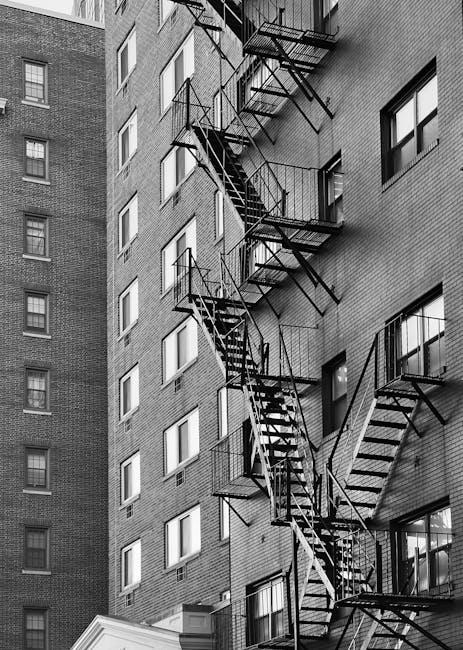
Harringay Ladder Flat Cleaning Tips for Tight Stair Access
Cleaning a flat in the Harringay Ladder sounds straightforward until you meet the staircase. Narrow treads, awkward turns, no lift, low ceilings, and a hoover that suddenly feels twice as heavy all make the job more fiddly than it should be. If that sounds familiar, you are in the right place. These Harringay Ladder flat cleaning tips for tight stair access are designed for real homes, real stairwells, and the kind of day-to-day access issues that can turn a simple clean into a proper faff.
Whether you live in a top-floor conversion, are getting a place ready for new tenants, or just want a cleaner routine that does not leave you knackered by lunchtime, the key is planning the clean around the building rather than fighting it. In this guide, we will cover what makes tight stair access tricky, how to clean safely and efficiently, which tools actually help, and when it makes more sense to bring in support. A few smart adjustments can save time, avoid damage, and make the whole thing feel much less uphill.
Table of Contents
- Why Harringay Ladder flat cleaning tips for tight stair access Matters
- How Harringay Ladder flat cleaning tips for tight stair access Works
- Key Benefits and Practical Advantages
- Who This Is For and When It Makes Sense
- Step-by-Step Guidance
- Expert Tips for Better Results
- Common Mistakes to Avoid
- Tools, Resources and Recommendations
- Law, Compliance, Standards, or Best Practice
- Options, Methods, or Comparison Table
- Case Study or Real-World Example
- Practical Checklist
- Conclusion
- Frequently Asked Questions
Why Harringay Ladder flat cleaning tips for tight stair access Matters
The Harringay Ladder has plenty of attractive flats, but many come with the same old London compromise: lovely character, less-than-lovely stair access. Tight stairs affect more than convenience. They shape what equipment you can bring in, how long the job takes, and how safely you can move between floors with buckets, vacuums, steamers, or even a simple laundry basket.
If you ignore the access problem, cleaning becomes clumsy. You end up making too many trips, carrying the wrong kit, or knocking skirting boards, handrails, and banisters. In a flat with shared access, that can also mean disturbing neighbours or leaving a messy trail through communal areas. Truth be told, it is one of those issues you only fully appreciate after you have tried to carry a full-size vacuum up a narrow stairwell once.
This matters even more if the clean is tied to a deadline. End of tenancy handovers, property sales, post-party clean-ups, and seasonal deep cleans all become more stressful when the stairs are tight. For landlords and sellers, the way a flat presents can also affect first impressions. If you are preparing for a move, you may also find the broader advice in selling property in Harringay useful, especially if the stair access is part of the buyer's first impression.
How Harringay Ladder flat cleaning tips for tight stair access Works
The basic idea is simple: clean in a way that respects the layout. That means reducing what you carry, planning the route, using smaller tools where needed, and sequencing the work so you are not moving the same items up and down the stairs again and again.
In practice, the method usually follows four principles:
- Reduce load: Use lightweight or compact tools and only bring up what you need for each room.
- Protect surfaces: Avoid banging equipment into painted walls, stair edges, or carpet runners.
- Work top to bottom: Dust and debris fall down, so start high and finish low.
- Break the job into zones: Treat the flat as a series of small cleaning tasks rather than one big drag of supplies.
That approach sounds obvious, but it makes a big difference. A small caddy with cloths, sprays, gloves, and a compact brush can be far more effective than hauling a full-size cleaning trolley through a tight stairwell. The same applies to vacuuming. If your machine is bulky and awkward, you are more likely to skip sections or rush through corners, and neither helps.
For people wanting a broader service mix, it can also help to look at services overview pages before deciding whether the job is a quick domestic tidy or something closer to a deep clean. If the flat has stubborn grime, a thorough approach may be better supported by deep cleaning in Harringay rather than trying to squeeze everything into a rushed session.
Key Benefits and Practical Advantages
Working around narrow stairs is not just about making life easier. It improves the clean itself. A good access strategy reduces missed spots, prevents damage, and helps you finish without feeling like you have wrestled the building into submission.
- Less physical strain: Smaller loads mean fewer heavy lifts and fewer trips.
- Faster setup: You spend less time ferrying supplies and more time cleaning.
- Better finish: Because the workflow is calmer, you are less likely to skip details.
- Lower risk of scuffs and scratches: Particularly important in period properties with painted woodwork.
- Better neighbour relations: Less thumping, less clutter in common areas, less disruption.
- More realistic planning: You can judge whether the flat needs a light tidy, a one-off blitz, or a professional clean.
There is also a confidence benefit, which people underestimate. Once you know the route, the constraints, and the order of work, the whole task feels manageable. That matters on busy mornings, rainy evenings, and those slightly grey winter days when the flat already feels cramped before you have even started.
Who This Is For and When It Makes Sense
These tips are useful for anyone dealing with flats in the Harringay Ladder and similar Victorian or conversion-style buildings, but they are especially relevant for:
- tenants preparing for check-out or inspection
- landlords arranging a turnover clean
- owners doing a seasonal reset
- busy professionals who want a more efficient routine
- people with bulky furniture or awkward storage areas
- households where the only practical access is a narrow staircase
It also makes sense if you are comparing whether to clean yourself or book help. A small flat with easy access might be straightforward. A top-floor home with a tight stair run, low banister clearance, and little landing space is a different beast. If you are weighing up service options, it may help to review domestic cleaning in Harringay or house cleaning in Harringay to see what a regular or one-off arrangement could cover.
And if you are leaving a rental behind, stair access can be one of the hidden reasons a move-out clean takes longer than expected. In that case, end of tenancy cleaning in Harringay is worth considering, especially when time is tight and the property needs to look spotless from the front door upwards.
Step-by-Step Guidance
Here is a practical way to clean a flat with tight stair access without turning the day into a slog.
1. Clear the route first
Before you touch the bathroom or kitchen, make the stair route as open as possible. Move shoes, bags, plant pots, and laundry baskets out of the way. If you share the stairwell, give yourself a clear path and avoid leaving anything on the steps. It sounds minor, but it is the easiest way to prevent knocks and trips.
2. Stage supplies in one compact kit
Use one carry caddy or tote for the essentials. A good set-up usually includes microfiber cloths, an all-purpose cleaner, glass cleaner, gloves, a duster, a small scrub brush, bin liners, and a sponge. Keep it light. You are aiming for portable, not impressive.
3. Start with dust and dry debris
Dry dusting before wet cleaning prevents the classic mistake of smearing dust into corners. Work from top shelves, picture rails, and light fittings down to surfaces and skirting boards. On stairs, use a handheld tool or extension duster if a full vacuum is too awkward to manoeuvre.
4. Tackle high-use rooms in a logical order
A good order is kitchen, bathroom, living area, then bedrooms. Why? Because the kitchen and bathroom usually need the most attention, and you do not want to carry dirty cloths or greasy tools back through cleaner rooms. Small thing, big time saver.
5. Use the right tool for each access point
If a vacuum will not fit comfortably on the stair bend, use attachments or a lighter handheld model. If a mop bucket is too cumbersome, keep a smaller spray mop or use pre-moistened reusable pads. The goal is to reduce friction, literally and figuratively.
6. Clean the stairs as a separate task
Do not try to clean stair treads, handrails, and landing floors as an afterthought. Treat them as part of the route and clean them carefully at the end, once foot traffic has finished. This is where a surprisingly clean finish can be lost to one muddy shoe. Happens all the time.
7. Finish with a final pass for details
Do one last sweep for fingerprints, dust at eye level, and overlooked corners around radiators, pipes, and door frames. In a compact flat, the eye catches details quickly. A final five-minute pass can make the whole place feel more intentional.
Expert Tips for Better Results
The biggest improvement usually comes from working smarter, not harder. A few habits make a noticeable difference in flats with tight stair access.
- Use smaller containers for liquid cleaners. A full bottle is heavier than it needs to be. Refill a smaller spray bottle instead.
- Choose microfiber over bulky cloths. It dries faster, grabs dust well, and folds neatly into a pocket or caddy.
- Keep a stair-safe grip. If you are carrying anything up or down, keep one hand free for the rail whenever possible.
- Clean one side of the stair route at a time. This reduces repeated passes and makes it easier to spot missed areas.
- Use calm, deliberate movements. Rushing on a narrow staircase is how accidents happen. Simple as that.
If the flat has carpets on the stairs or in the rooms, consider whether a deeper treatment is needed. A targeted carpet cleaning service in Harringay can be more effective than trying to lift ingrained dirt with standard vacuuming alone. Likewise, if sofas or dining chairs are dragging down the room, upholstery cleaning in Harringay can refresh the whole place without you having to replace anything.
Expert summary: For flats with difficult stair access, the best cleaning plan is the one that reduces carrying, protects the route, and keeps your tools light. You do not need more equipment. You need fewer, better-chosen steps.
Common Mistakes to Avoid
A lot of the stress comes from predictable mistakes. Once you know them, they are easy enough to avoid.
- Bringing too much kit upstairs at once. This is the classic overpack. You end up shuffling gear around rather than cleaning.
- Ignoring landing space. Tight landings become dangerous if you leave bottles, cloths, or bags in the way.
- Using oversized equipment indoors. A large vacuum or wide mop head may be efficient in theory, but awkward in practice.
- Starting the clean in the wrong room. If you begin with the bedroom and then bring dusty tools into the kitchen, you create more work later.
- Forgetting communal cleanliness. Hallways and stairwells are part of the experience in a shared building. Keep them tidy.
- Underestimating the time needed. Tight access almost always adds a bit more time than you first expect.
One practical mistake worth calling out: trying to clean while carrying a coffee, phone, and cloth all at once. It feels efficient for about ten seconds. Then you spill something and curse the carpet. Best not.
Tools, Resources and Recommendations
You do not need an enormous cleaning arsenal. In fact, compact tools are usually better for the Harringay Ladder's tighter layouts.
| Tool or item | Why it helps | Best use case |
|---|---|---|
| Microfiber cloths | Lightweight, reusable, and effective on dust and marks | Surfaces, mirrors, skirting boards, fixtures |
| Small spray bottle | Reduces weight and is easier to carry on stairs | General wipe-downs and spot cleaning |
| Handheld vacuum or slim attachment | Easier to manoeuvre on narrow stairs and tight corners | Steps, edges, upholstery crumbs |
| Compact caddy | Keeps everything in one place | Moving between rooms without clutter |
| Soft-bristled brush | Reaches dust in trims and corners | Radiators, vents, staircase details |
| Reusable mop pads | Less bulky than a full bucket system | Hard floors in smaller flats |
If you are cleaning a flat regularly, it may also be worth setting up a simple supply routine rather than buying random bits every month. Keep one kit for the kitchen and bathroom, another for dusting and floors, and a separate bag for stair and hallway work if you live in a building with awkward access. It sounds organised because, well, it is.
For people who want a broader service route, it can help to look at spring cleaning in Harringay when the whole flat needs a reset, or one-off cleaning in Harringay when you simply do not have the time or energy to tackle it all yourself. If you want to understand what is on offer across the board, pricing and quotes is a sensible next stop.
Law, Compliance, Standards, or Best Practice
For most household cleaning, there is no complicated legal framework you need to memorise, but there are still sensible best practices to follow. In shared buildings, you should avoid blocking communal routes, keep noise reasonable, and be careful not to leave cleaning products where children or pets could reach them. If you are a landlord, tenant, or managing agent, those basics matter more than people often realise.
Safety should come first. Use products according to the label, ventilate rooms when needed, and do not mix cleaning chemicals. That last one is worth repeating. Also, if a staircase is particularly narrow, wet, or steep, it is better to slow down than to carry on and risk a fall. No clean is worth that.
Professional cleaners also work to health and safety expectations that reduce risk to both people and property. If you are deciding whether to book help, it is reasonable to check a provider's approach to safety and liability. For example, it is sensible to review health and safety policy information and the service's insurance and safety approach before arranging a visit. That does not need to be complicated; it just shows care.
If access is especially difficult, accessibility considerations matter too. Narrow stairs, poor lighting, or limited turning space can make a big job feel much bigger. A careful cleaning plan should work with the building, not against it.
Options, Methods, or Comparison Table
Here is a simple comparison of common ways people handle flat cleaning when stair access is tight.
| Method | Best for | Pros | Watch out for |
|---|---|---|---|
| DIY with compact kit | Regular upkeep and light cleans | Cheap, flexible, easy to repeat | Can take longer if the flat is dusty or cluttered |
| DIY with full-size tools | People already equipped and physically comfortable | Useful if the tools fit well | Bulky items can be awkward on narrow stairs |
| One-off professional clean | Move-out, move-in, post-event, or spring reset | Saves time and reduces stress | Needs good access planning and clear expectations |
| Regular domestic cleaning | Busy households and recurring upkeep | Prevents build-up and keeps routine manageable | Still requires the stair route to be practical |
In most cases, the right choice comes down to time, energy, and how awkward the access really is. If you are only doing quick weekly upkeep, a compact DIY system is often enough. If the flat has not had a proper deep clean for a while, or you are working against a deadline, professional support can be the calmer option.
Case Study or Real-World Example
Imagine a top-floor flat off a typical Harringay Ladder street: one narrow staircase, a tight turn halfway up, and a landing that barely fits two people passing each other. The resident is moving out on a Friday morning, with the inventory check due that afternoon. There is dust behind the radiators, soap residue in the bathroom, crumbs under the sofa, and a stair carpet that has seen better days.
Instead of hauling everything upstairs in one go, the clean is split into stages. First, the route is cleared. Then a small caddy is carried up with cloths, spray, and gloves. The kitchen is cleaned before floors, so no debris gets dragged into the freshly mopped bathroom. A handheld vacuum handles the stairs and sofa edges. Finally, the hallway is checked for fingerprints and dust at rail height, because those are the details people notice as soon as they walk in.
The whole job finishes more smoothly because the access issue was treated as part of the plan, not as an annoying extra. That is really the point. In a flat with awkward stairs, a clean is rarely hard because of the dirt alone. It is hard because of the movement. Solve the movement, and the rest gets easier.
Practical Checklist
Use this checklist before you start cleaning a flat with tight stair access.
- Clear the staircase and landing of loose items
- Choose compact tools instead of bulky ones
- Carry only the products needed for the room you are cleaning
- Start with dusting and dry debris first
- Work from top to bottom
- Keep wet cleaning for the end of each room
- Protect walls, banisters, and stair edges from knocks
- Leave communal areas tidy and uncluttered
- Check high-touch points like handles, switches, and railings
- Do a final pass for missed corners and marks
Quick takeaway: if the access is tight, your cleaning plan should be light, tidy, and deliberate. Not fancy. Just effective.
Conclusion
Flat cleaning in the Harringay Ladder does not have to be a stressful balancing act. Once you plan around the stairs, choose lighter tools, and clean in a sensible order, the job becomes far more manageable. You avoid unnecessary lifting, protect the building, and get a better result with less frustration.
And if the flat needs more than a quick tidy, that is perfectly normal. Tight stair access can make even simple work feel bigger than it is. The sensible move is to choose the method that fits the space, your schedule, and your energy. Sometimes the smartest clean is the one you do not try to force.
If you are deciding between DIY and professional help, explore the relevant service pages, review the practical details, and choose the option that makes the whole process feel calmer. A clean flat should feel like a fresh start, not a test of strength. That is the ideal, anyway.
Get a free quote today and see how much you can save.
If you need tailored help or have a tricky layout, you can always contact the team or request a tailored estimate through the quote request page. For readers interested in local context, the article on Harringay living from a local's perspective is a nice companion piece, and the guide to end of tenancy cleaning near Green Lanes is especially relevant for movers.
Frequently Asked Questions
What makes stair access such a problem in Harringay Ladder flats?
Most of the issue comes down to narrow staircases, tight landings, and awkward turns. That makes it harder to carry equipment, move between rooms, and clean without knocking walls or tiring yourself out.
Should I use a full-size vacuum on narrow stairs?
Only if it fits safely and is not awkward to manoeuvre. In many flats, a handheld vacuum or slimmer attachment works better and reduces the chance of scuffs or slips.
What is the best order for cleaning a flat with tight stair access?
Start with clearing the route, then dusting, then clean the kitchen and bathroom, followed by living areas and bedrooms. Finish with floors and stairs so you are not tracking dirt around.
How do I avoid damaging walls and banisters?
Use lighter tools, carry fewer items at once, and keep one hand free for the rail when possible. It also helps to avoid overpacked containers and bulky cleaning gear.
Is professional cleaning worth it for a flat with awkward stairs?
Often, yes, especially for end of tenancy, spring cleans, or deep cleans. Tight access increases the physical effort, so a professional team can save time and reduce stress.
What should I prepare before a cleaner arrives?
Clear the stair route, move personal items out of the way, and make sure there is room to work in the main rooms. The cleaner can do much more efficiently if access is already open.
Can I do an end of tenancy clean myself in a top-floor flat?
Yes, if you have the time, equipment, and energy. But if the stairs are very tight or the flat needs a deep clean, booking help may be the less stressful option.
How do I clean stairs without making the rest of the flat messy?
Leave stair cleaning until the end and use a vacuum attachment or handheld tool. Clean from the top down so dust and debris are not moved back into already cleaned rooms.
Are there any safety issues I should think about?
Yes. Keep stairs clear, avoid carrying too much at once, and be extra careful with wet floors or slippery surfaces. If the access feels unsafe, slow down and reset the plan.
What kind of cleaning products work best in small flats?
Simple, multi-use products usually work best. A compact spray bottle, microfiber cloths, and one good all-purpose cleaner are often enough for most routine jobs.
How can I make the cleaning process feel less overwhelming?
Break it into small zones and only carry what you need for each stage. That way, you are not trying to clean the whole flat in one go, which is where people usually start to flag.
Where can I read more about related Harringay cleaning services?
You can explore spring cleaning in Harringay, end of tenancy cleaning, and carpet cleaning in Harringay if you want a broader view of what might suit your flat.