Communal area Cleaning in Harringay
If you manage, own, or live in a shared building, keeping common parts clean is not just about appearances. It affects comfort, hygiene, first impressions, and the day-to-day experience of everyone using the property. Our Communal area Cleaning in Harringay service is designed for local flats, maisonettes, converted houses, purpose-built apartment blocks, mixed-use buildings, and shared commercial premises that need reliable, consistent upkeep.
In a busy part of North London like Harringay, communal spaces often get heavy foot traffic. Hallways pick up dirt from the street, staircases gather dust, bin stores can become untidy, and entry points quickly show fingerprints and weather marks. Add in repeated use by residents, visitors, cleaners, delivery drivers, and contractors, and it becomes clear why these areas need a routine, professional approach. A well-kept communal space helps the whole building feel safer, more welcoming, and easier to live in.
Whether you are looking after a small block near Green Lanes, a converted property off Turnpike Lane, or a larger residential development close to Harringay Green Lanes station, a dependable cleaning schedule can make a noticeable difference. Our service is built around practical needs: regular visits, clear checklists, attention to shared areas, and flexible cleaning that works around residents and building access requirements.
What communal area cleaning means for local properties

Communal area cleaning covers the shared parts of a property that everyone uses but nobody owns individually. These spaces are usually the first things residents and visitors see, so they set the tone for the whole building. In Harringay, this often includes shared entrances, internal hallways, stairwells, lift lobbies, landings, bin areas, cycle stores, and sometimes small reception or concierge spaces.
Because shared areas are used so frequently, they need more than a quick wipe-down now and then. Dust settles on skirting boards, handrails collect grime, and floors can become dull from daily foot traffic. During wet weather, mud, leaves, and salt from pavements can be carried indoors. In summer, open windows may bring in pollen and airborne dust. A structured cleaning plan keeps these problems under control before they build up.
For landlords, resident management companies, freeholders, and letting agents, the benefits are practical as well as visual. Clean communal spaces help protect surfaces, reduce complaint calls, support hygiene, and create a more professional impression for anyone visiting the building. For residents, it simply makes day-to-day life more pleasant.
Why Harringay properties benefit from a local cleaning team

Harringay has a wide mix of property types, and that variety affects how communal spaces should be cleaned. You will find older converted houses with narrow stairs, purpose-built blocks with shared corridors, newer developments with secure entry systems, and mixed-use buildings where homes sit above shops or restaurants. Each type of property brings different access needs, surface types, and cleaning priorities.
Local knowledge matters. For example, a building close to busy roads or transport links may pick up more dust and street debris than a quieter side street. Properties with limited parking or restricted loading access need cleaners who can arrive prepared, work efficiently, and avoid causing disruption. Shared buildings with coded entry, timed access, or resident-only entry routes also need a team that can follow the building’s rules carefully.
Communal area Cleaning in Harringay is most effective when it is handled by a team that understands local layouts, access patterns, and the way residents actually use the building. That means cleaning schedules can be planned around peak traffic times, refuse collection days, and the practical realities of busy communal living.
What our communal cleaning service can include

Every property is different, so the exact cleaning plan should be tailored to the building. A typical service may include a mix of routine tasks and deeper attention to areas that get overlooked. The aim is to keep shared spaces tidy, hygienic, and ready for everyday use.
Common tasks can include:
- Vacuuming and sweeping communal hallways, landings, and staircases
- Mopping hard floors and wiping down thresholds
- Dusting skirting boards, ledges, rails, and accessible surfaces
- Cleaning entry doors, handles, and push plates
- Wiping glass panels, internal windows, and mirrors where accessible
- Removing cobwebs from corners and ceilings
- Emptying or tidying bin store areas, subject to agreement
- Cleaning lift interiors, buttons, and lobby touchpoints
- Spot-cleaning marks from walls, doors, and switches
- Reporting issues such as damaged lighting, broken fixtures, or unsafe conditions
In some buildings, additional tasks may be needed. These can include periodic deep cleans, washroom cleaning if there are shared facilities, sanitising high-touch points more frequently, or attention to external entrance areas. For properties with a higher occupancy rate, more frequent cleaning may be appropriate to keep on top of the wear and tear.
How communal cleaning works in practice
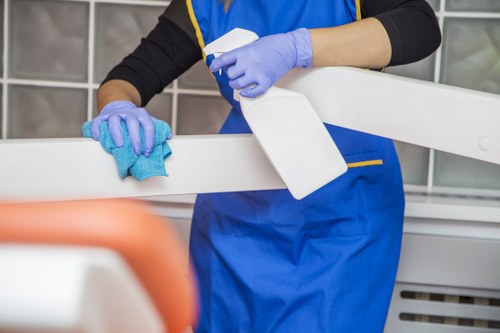
A good cleaning service should feel straightforward for residents and building managers. The process usually begins by understanding the layout of the property, the number of floors, the amount of foot traffic, and any site-specific rules. This helps create a workable plan rather than a generic checklist that misses the real problem areas.
Once the service is agreed, cleaning visits are carried out on a set schedule. Depending on the building, that might mean weekly, twice-weekly, or more frequent visits. The team should bring the right equipment, use suitable products for the surfaces involved, and work in a way that respects residents’ privacy and routine. In many cases, cleaners will focus on quiet, efficient work that avoids unnecessary disruption.
What local customers usually want is consistency. A communal space can look tidy after one-off attention, but the real value comes from regular upkeep. That is why many Harringay customers prefer a planned service rather than waiting until the building looks visibly neglected. Routine cleaning also helps identify issues early, such as repeat litter problems or areas where residents need a reminder about bin use.
Residential, rental, and commercial communal spaces

Communal cleaning is not limited to one type of customer. In Harringay, it is often needed by a wide mix of property owners and managers. Residential blocks, housing associations, landlords, letting agents, resident associations, and commercial property operators all have different expectations, but they usually want the same outcome: shared spaces that are clean, presentable, and safe to use.
For residential properties, the focus may be on stairwells, entrance halls, internal windows, and bin rooms. For rental buildings, there is often a strong need for dependable regular cleaning because occupancy changes can quickly affect the condition of common parts. Commercial premises with shared corridors, staff areas, or customer-access common zones may need a more business-like schedule with a sharper focus on presentation and hygiene.
It is also common for mixed-use buildings in Harringay to have more complicated needs. Shops, cafes, or offices on the ground floor may generate more footfall, while the residential areas above need a quieter, more controlled service. A flexible cleaning plan helps handle these differences without disrupting either side of the property.
Why clean communal areas matter so much
Shared areas take on a lot of responsibility in a building. They form the route from street to home, the space where visitors get their first impression, and the areas people pass through several times a day. When those spaces are cared for properly, the whole property feels more organised and better managed.
There are also clear practical benefits. Clean floors can reduce slip risks caused by dirt or damp. Regular dust removal may help improve comfort for residents who are sensitive to dust. Tidy bin areas help minimise unpleasant smells and pest concerns. Wiping high-touch points such as handles and buttons supports general hygiene, especially in busy buildings.
In a busy neighbourhood like Harringay, where residents often move quickly between work, transport, shopping, and home, communal areas need to handle a lot of wear. Good cleaning helps those spaces keep up with real life rather than falling behind it.
Common issues that build up in shared spaces
Many buildings suffer from the same recurring problems. These are some of the most common:
- Dust accumulation on stairs, skirting, and ledges
- Footprints, muddy marks, and spilled drinks in entrances
- Litter or loose mail left in hallways
- Finger marks on glass doors and internal windows
- Debris collecting in corners and around door frames
- Bin storage areas becoming messy after collection days
- Lift surfaces and buttons showing visible wear from use
When a cleaning service is set up properly, these issues are dealt with before they become a bigger problem. That saves time, reduces frustration, and keeps the building looking looked after.
What customers in Harringay often look for
Local customers usually want a service that is reliable, easy to arrange, and suitable for their specific building. They may not need a grand or complicated package. Instead, they want practical results and clear communication. That might mean a regular cleaning visit for a small block, a more detailed plan for a large development, or a one-off deep clean after refurbishment or a change in occupancy.
Another common need is flexibility. Buildings do not all function in the same way. Some have residents coming and going throughout the day, while others are much quieter. Some have narrow staircases and limited room for equipment, while others have lifts and wide lobbies. A local service should be able to adapt to these realities without making the process difficult for residents or managers.
People also value practical accountability. They want to know what is included, how often visits happen, and what happens if access changes or a particular area needs extra attention. Clear working arrangements build confidence and reduce misunderstandings.
Areas commonly covered around Harringay
Communal cleaning services in Harringay often extend into nearby locations where the same property types and access needs are common. This may include streets and residential pockets around Green Lanes, Harringay Ladder properties, the areas near Finsbury Park’s northern edge, parts of Stroud Green, Manor House surroundings, and nearby sections of Hornsey and Wood Green where shared buildings and apartment blocks are common.
Because local routes and building layouts vary, it helps to work with a team that understands the area and can plan visits sensibly. Narrow residential streets, limited parking, and busier high-road locations can all affect timing and access, so a flexible schedule is important. The aim is to make the service easy for residents and practical for the building team.
Why nearby access and parking matter
In parts of Harringay, parking can be limited or controlled, and loading space may be restricted. That affects how quickly equipment can be brought in and how smoothly the cleaning visit runs. A local team that is used to these conditions is more likely to arrive prepared, carry what is needed efficiently, and avoid unnecessary disruption to residents or neighbours.
For buildings with controlled entry, shared keys, or timed access, good coordination is just as important as the cleaning itself. The more smoothly access is arranged, the more likely the service is to stay consistent.
What is included in a regular cleaning visit
While the exact checklist depends on the building, many clients want a clear idea of what a typical visit covers. A normal communal cleaning visit may include the following steps:
- Arrive at the property at the agreed time and access the shared areas safely
- Inspect the main common parts for visible issues or unusual mess
- Remove loose dirt, litter, and debris from floors and corners
- Vacuum or sweep staircases, hallways, and landings
- Mop hard floors with suitable products
- Wipe high-touch surfaces such as handles, switches, and door frames
- Clean visible marks from glass and other accessible surfaces
- Check the condition of bin spaces, entrance mats, or other shared zones
- Leave the area tidy and report anything that needs attention
This kind of process is especially useful in apartment blocks and shared houses where residents expect a consistent standard and a predictable routine.
Preparing for communal area cleaning
Customers do not usually need to do much before a visit, but a few simple steps can help the cleaning go more smoothly. If residents or managers are aware of the schedule, access is easier and the cleaner can work efficiently without interruptions. Clear instructions about key pickup, entry codes, or areas that should be avoided are also helpful.
Here is a simple preparation checklist:
- Share access details in advance if required
- Remove personal belongings from communal walkways where possible
- Keep prams, bikes, parcels, and shoes out of shared circulation areas
- Report any damaged surfaces or unsafe areas before the visit
- Let the team know about pets, alarms, or resident restrictions
- Confirm which spaces should be cleaned and which are excluded
A little preparation can save time and ensures the cleaning team focuses on the right tasks. It also helps avoid confusion, especially in larger buildings with multiple residents or mixed ownership.
Pricing factors for communal cleaning
Prices for communal area cleaning are usually influenced by several practical factors rather than a one-size-fits-all rate. This is because no two buildings are quite the same. The size of the property, number of floors, frequency of visits, condition of the common parts, and exact scope of work all affect the overall quote.
Other factors may include how easy the building is to access, whether cleaning must happen at specific times, whether there are special surfaces or fixtures, and whether the service includes extra tasks such as bin area maintenance or periodic deep cleaning. If a property needs more than basic upkeep, the plan may need to reflect that.
For local customers, the best approach is usually to request a tailored quote based on the building’s actual needs. That way, you only pay for the level of service that makes sense for the property.
Why choose a local company in Harringay
Choosing a local cleaning company can make day-to-day management much easier. A team working in and around Harringay is more likely to understand local property layouts, resident expectations, traffic patterns, and access limitations. That can translate into smoother scheduling and more realistic service planning.
Local cleaners are also often easier to brief about practical matters such as where to park, how to access a stairwell, which door should be used, or what time residents are least likely to be disturbed. When the team knows the area, less time is wasted on avoidable complications.
For landlords, block managers, and resident committees, this can mean fewer follow-up issues and a cleaner building that stays in better condition over time. For residents, it means less disruption and a more comfortable place to live.
Good reasons customers keep a regular schedule
Many buildings find that a recurring cleaning plan works better than occasional one-off visits. Regular visits help keep dirt levels manageable and stop small issues from becoming large ones. They also make the condition of the building easier to predict, which can be helpful for budget planning and resident satisfaction.
A routine schedule may also support better communication. If the cleaning team notices repeated problems—like littering, spillages, or poor bin use—they can report this pattern so it can be addressed. This is far more effective than simply waiting for the next complaint.
Frequently asked questions
How often should communal areas be cleaned?
That depends on the size of the building, how many residents use it, and how quickly the common parts get dirty. Smaller buildings may need weekly cleaning, while busier blocks may benefit from more frequent visits. The right schedule should match real use rather than follow a fixed rule.
Can you clean both residential and mixed-use buildings?
Yes. Many Harringay properties combine homes with commercial units, and these buildings often need a cleaning approach that works for both environments. The service can be structured so that shared residential areas and customer-facing or staff-facing communal parts both receive suitable attention.
Do you handle narrow staircases and older conversions?
Yes. Older conversions and compact stairways are common in this part of North London, so the cleaning approach should be practical and careful. Narrow access, delicate finishes, and multi-level layouts all need the right methods and equipment.
What if our building has limited parking or controlled access?
That is very common in Harringay. A local team should be able to plan around parking restrictions, timed access, key collection, and resident entry procedures. It is best to explain these details when requesting a quote so the service can be arranged properly.
Can the service include bin stores and entrance mats?
Often, yes, if those tasks are agreed in advance. Bin areas and entrance mats are important parts of the building’s overall condition, so it makes sense to include them where needed.
Is one-off cleaning available?
Yes, some customers need a single deep clean after repairs, refurbishment, a tenancy change, or a period when the building has fallen behind. A one-off clean can help reset the communal space before regular maintenance begins.
What makes a strong communal cleaning service
Customers usually judge the service by a few simple things: reliability, attention to detail, clear communication, and results that last. A strong service does not just make the building look tidy on the day. It also helps keep standards consistent between visits.
That means the cleaners should be careful with surfaces, respect the building layout, and understand where the pressure points are. Stair edges, door frames, lift buttons, and entrance flooring often need more attention than they first appear to. The best teams notice those details and deal with them as part of the routine.
Consistency is the real value. When residents know the building will be cared for regularly, they are more likely to feel positive about where they live. That can improve day-to-day satisfaction and reduce avoidable complaints about cleanliness.
Book communal area cleaning for your Harringay property
If your building needs dependable communal cleaning, now is a good time to arrange a service that fits the property properly. Whether you are maintaining a small block, a busy staircase in a converted house, or a larger shared development, a planned cleaning schedule can make the whole place easier to manage.
Our Communal area Cleaning in Harringay service is focused on practical results for local customers who want their shared spaces cleaned properly and consistently. If you are ready to improve the condition of your building, request a free quote or contact us today to discuss what your property needs. Book your service now and keep your communal areas looking cared for throughout the year.