Urgent flood cleaning and drying service Harringay Ladder
Posted on 22/06/2026
Urgent flood cleaning and drying service Harringay Ladder: what to do, what to expect, and how to protect your home
If you are dealing with a leak, burst pipe, overflow, or stormwater coming into a flat or house in Harringay Ladder, the first few hours matter more than almost anything else. An urgent flood cleaning and drying service in Harringay Ladder is not just about mopping up visible water. It is about stopping damage from spreading, reducing the chance of mould, and getting rooms back to a safe, dry condition without guessing your way through it.
That sounds dramatic because, well, it usually is. Water travels under floors, into skirting, behind furniture, and through carpet backing before you even realise how far it has moved. In a tight stair-access property, which Harringay Ladder has plenty of, every minute can make the job more awkward. This guide explains how emergency flood response works, what a good service should do, and how to make smart decisions when the situation feels a bit chaotic.
For broader property support in the area, you may also find the services overview useful, especially if your flood incident is part of a bigger clean-up that includes carpets, upholstery, or a deep reset after the disruption.
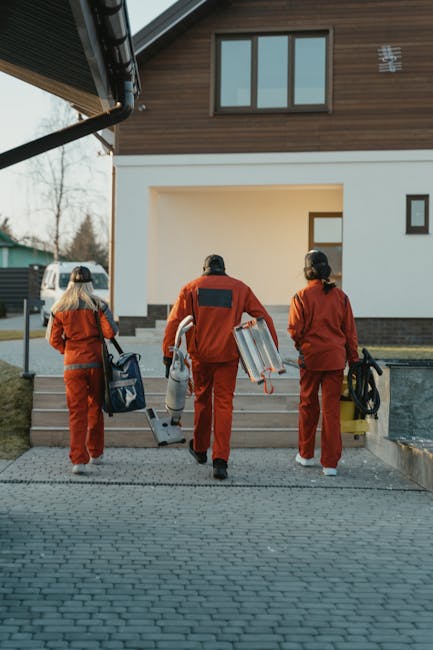
Why Urgent flood cleaning and drying service Harringay Ladder Matters
A flood event is often treated like a cleaning problem first. Truth be told, it is a property-protection problem first and a cleaning problem second. If water sits in a room, it can wick into plaster, subfloor boards, insulation, and soft furnishings. That can lead to smells, staining, distortion, and eventually mould growth if moisture is left behind.
Harringay Ladder properties often have their own quirks: narrow halls, older floors, split-level layouts, shared entrances, and stair access that makes moving large machines harder than in a newer block. Those details matter because urgent drying is as much about logistics as it is about extraction. A job that starts late or is handled casually can leave moisture hidden in places you cannot see, which is where the real problems begin.
There is also a timing issue. If the flood came from a burst appliance or plumbing failure, the source may already be fixed, but the damage keeps moving. A soaked carpet can feel dry on top while the underlay remains damp. A patch of wall may look fine until the paint starts bubbling two days later. That is why an urgent response is so valuable. It creates a clear line between a manageable incident and a long, expensive repair.
Expert summary: the goal is not merely to dry what looks wet. The goal is to remove moisture from the full affected structure, monitor the drying process, and stop secondary damage before it settles in.
For property owners who are thinking ahead about maintaining value, the issue is similar to the careful planning discussed in buying property wisely in Haringay and selling property in Haringay: early decisions protect long-term value. Flood damage left untreated can make a home harder to live in and, later on, harder to present well.
How Urgent flood cleaning and drying service Harringay Ladder Works
A proper emergency flood clean-up usually follows a clear process, even if the scene itself feels messy and rushed. The sequence matters because drying the wrong thing first, or in the wrong way, can trap moisture where it should not be.
1. Rapid assessment
The first step is identifying what kind of water is involved. Clean water from a supply pipe is different from grey water from appliances and very different again from contaminated water. The source affects both the cleaning approach and the safety precautions. A quick assessment also helps decide what can be saved, what must be removed, and which rooms need priority.
2. Stopping further ingress
If the source is still active, the immediate priority is to stop the flow. That might mean isolating the water supply, shutting off an appliance, or protecting adjoining rooms. In practical terms, it is the difference between dealing with one soaked area and chasing water into the next room at half past midnight. Not ideal.
3. Water extraction
Once the source is under control, standing water is removed with extraction equipment. This is faster and more effective than towels, buckets, or a domestic mop. Extraction reduces the amount of moisture the drying equipment must handle and helps limit secondary spread into other materials.
4. Removal of affected materials
Some items can be dried and restored; others should be removed promptly. Saturated underlay, heavily contaminated soft furnishings, and warped materials may not recover well. A good service will not just keep everything in place for the sake of it. Sometimes a measured removal is the sensible option, even if it feels blunt at the time.
5. Controlled drying
This is where air movers, dehumidification, and monitoring come in. The objective is to move moisture out of hidden layers, not just warm the room until it feels okay. The setup may need to be adjusted over several days depending on material type, ventilation, temperature, and how deep the water spread.
6. Cleaning and sanitising
After extraction and drying begins, the affected area should be cleaned appropriately. That can include sanitising hard surfaces, treating carpets, cleaning edges, and managing odours. If the flood involved grey water, the cleaning stage becomes even more important. A bit of airborne smell is one thing; bacterial contamination is another.
7. Final checks and re-instatement
The last stage is confirmation that the space is properly dry and safe to use again. That may involve repeated checks rather than a single pass. In a real-world job, the last 10% often takes longer than people expect. That is normal. It should be normal.
If the incident has affected other soft surfaces, a follow-on treatment such as carpet cleaning in Harringay or upholstery cleaning in Harringay may be the next sensible step once drying is complete.
Key Benefits and Practical Advantages
The main benefit is simple: faster recovery. But there are several practical advantages that people often only appreciate after the event. Here is the short version.
- Less structural damage: the sooner moisture is removed, the less chance it has to seep into hidden materials.
- Lower mould risk: drying thoroughly reduces the damp conditions mould prefers.
- Better salvage rates: carpets, furniture, and fixtures are more likely to be saved when treated quickly.
- Less disruption: a structured response helps you get back to normal faster.
- Cleaner indoor air: stale flood odours and damp smells are less likely to linger.
- Clearer next steps: you know what has been assessed, what has been dried, and what still needs attention.
There is another advantage people sometimes overlook: confidence. Floods are stressful. A calm, organised response cuts through the panic a bit. You can breathe again, which honestly helps you think more clearly about insurance, repair work, and who needs to be notified.
That is especially useful if the property is used as a rental, a short-let, or a working home office. In those cases, time off-line costs more than just inconvenience. If business continuity matters, you may also want to look at office cleaning in Harringay after the affected room has been dried and reset.
Who This Is For and When It Makes Sense
An urgent flood cleaning and drying service is relevant for a wide range of situations, not just dramatic burst-pipe moments. In practice, the service is useful for anyone who has moisture where it should not be.
Typical situations
- Burst washing machine hoses or appliance leaks
- Overflowing sinks, baths, or toilets
- Roof leaks after heavy rain
- Flooding from a flat above
- Water coming through shared walls or ceilings
- Minor floods that seem manageable but keep reappearing as damp patches
Property types that often need quick action
- Basement or lower-ground spaces
- Older terraced homes with wooden floors
- Flats with shared plumbing routes
- Houses with fitted carpets and underlay
- Rooms packed with furniture, storage, or electronics
It makes sense to seek help when the water has covered more than a tiny surface patch, when soft furnishings are affected, or when the source is uncertain. It also makes sense if you notice a musty smell, soft flooring, swelling skirting, or a wall that feels cool and damp after the visible water has gone.
Sometimes people try to "wait and see" overnight. To be fair, that is understandable. But if you can still feel moisture through the carpet, or if the room smells wet by morning, the drying clock has already started working against you.
For residents wanting a fuller sense of the local area and home life around Harringay, the guide to Harringay living from a local perspective offers a useful background. It is not about flooding, obviously, but it helps frame how people use and care for homes here day to day.
Step-by-Step Guidance
If you are standing in a wet hallway right now, keep it practical. Do not try to solve the whole thing in your head at once. Break it down.
- Stay safe first. If water is near sockets, extension leads, or appliances, avoid stepping into it until power is isolated if needed. Safety first. No heroics.
- Stop the source if you can do so safely. Turn off the supply or appliance responsible for the flood. If you are unsure, leave it and wait for a qualified person.
- Move valuables and soft items. Lift rugs, papers, cushions, and anything that can be damaged by prolonged damp.
- Document the scene. A few quick photos can help later with insurance or landlord discussions.
- Remove standing water. Use appropriate extraction rather than just pushing water around.
- Open access routes. Clear hallways, door thresholds, and tight turns. In Harringay Ladder, that often matters more than people expect because stair access can slow everything down.
- Set up drying. Dehumidification and air movement should be targeted to affected rooms, not the whole property blindly.
- Check hidden moisture. Edges, under furniture, beneath rugs, and behind skirting deserve attention.
- Repeat inspections. Drying is not one and done. Moisture readings or visual checks should continue until the area is genuinely stable.
- Finish with a proper clean. Once dry, clean and restore the room so it feels liveable again, not just technically resolved.
If the job turns into a broader home reset, a deep cleaning service in Harringay can be a sensible follow-up once the drying stage is complete.
Expert Tips for Better Results
A few small choices make a bigger difference than people think. The first is speed, but not panic-speed. Calm speed. Get started quickly, yet keep the process orderly.
Tip 1: Keep doors closed where possible. This helps contain humidity in the affected zone rather than letting it spread through the flat or house.
Tip 2: Lift items, don't stack them on damp floors. Raised furniture legs, blocks, or dry surfaces help airflow. Piling everything into one corner looks tidy, but it can trap moisture.
Tip 3: Use fans with purpose. A fan should push air across surfaces, not just swirl damp air around the room like a small hurricane. Slightly funny, but true.
Tip 4: Treat carpets and underlay separately. A carpet can feel dry on top while the underlay stays saturated. That is one of the sneakiest mistakes in flood recovery.
Tip 5: Watch odours. Smell is not a perfect measurement, but it is a useful clue. If a room still smells damp or sour after drying, moisture may still be hidden.
Tip 6: Be careful with heating. Turning the thermostat up can help in some cases, but excessive heat can also cause distortion or make drying uneven. Balanced airflow and dehumidification usually work better than brute force.
Tip 7: Don't rush repainting or re-carpeting. If you cover a damp wall or floor too early, you can trap moisture in place. And then the problem comes back later, usually at the worst possible time.
One more local note: in properties where stair access is tight, the difference between a smooth response and a frustrating one can be as small as equipment size or how quickly you clear the route. If that sounds familiar, the article on flat cleaning tips for tight stair access in Harringay Ladder is surprisingly relevant because flood recovery faces the same access pinch points.

Common Mistakes to Avoid
People are usually doing their best in a stressful moment, so this is not about blame. It is about avoiding the little decisions that create bigger bills later.
- Leaving damp materials in place too long. If underlay, towels, rugs, or cardboard stay wet, they can hold moisture against floors and walls.
- Assuming the top layer tells the full story. A dry-feeling carpet does not mean the subfloor is dry.
- Using bleach everywhere. Bleach is not a universal fix and can damage some surfaces or fabrics. Use the right cleaning method for the material.
- Skipping documentation. A few photos and notes can be useful later if repairs or claims are discussed.
- Switching things back on too soon. Electrical safety needs proper caution. Do not guess.
- Ignoring shared-property implications. In flats, leaks may affect neighbours below or above, so communication matters.
- Masking the smell with fragrance. That does not solve anything. It just makes the room smell damp and floral at the same time. Not a win.
A very common one: people clear the visible puddle, feel relieved, and stop. Understandable, absolutely. But that is the point when hidden moisture can still be active under floor finishes or behind walls.
Tools, Resources and Recommendations
Flood recovery does not need to be theatrical, but it does need the right kit. Here is what usually helps most.
| Tool / resource | What it helps with | Why it matters |
|---|---|---|
| Water extraction equipment | Removing standing water | Reduces spread and speeds up drying |
| Dehumidifiers | Pulling moisture from the air and materials | Helps hidden layers dry properly |
| Air movers or drying fans | Increasing airflow across surfaces | Improves evaporation and circulation |
| Moisture checks | Tracking progress | Confirms whether drying is actually complete |
| Protective sheeting and barriers | Containing the affected zone | Limits contamination and disruption |
| Appropriate cleaning products | Surface cleaning and sanitising | Removes residue without damaging finishes |
As a practical recommendation, keep a small home emergency file. Nothing fancy. Just basic notes on stopcock location, appliance shut-offs, insurer details, and a few photos of key rooms when everything is normal. When a flood happens at 6:40 in the morning, you will be glad you did.
For homes that need extra care after water damage, a combined reset can sometimes include house cleaning in Harringay or domestic cleaning in Harringay once the drying work is finished and the space is safe to work in.
Law, Compliance, Standards, or Best Practice
Flood clean-up is not a legal grey area in the sense that anything goes. In the UK, good practice typically means working safely, avoiding electrical hazards, and not creating further contamination. If a flood has affected a rented property, it is wise to notify the landlord, letting agent, or relevant responsible party quickly and keep a record of the incident. If insurance is involved, prompt documentation is usually helpful.
There are also health and safety expectations to consider. Wet floors are slip hazards. Floodwater can contain contaminants depending on the source. Electrical items in affected zones should not be used until they have been checked appropriately. Those are common-sense points, but common sense is sometimes the first thing to disappear when you are staring at a soaked room.
Best practice is usually built around three things:
- Safety: protect people first, then property.
- Containment: stop the water spreading and isolate the affected area.
- Verification: confirm dryness rather than assuming it.
If a service provider works to documented procedures, carries appropriate insurance, and explains the process clearly, that is a good sign. If they promise instant perfection with no inspection, no monitoring, and no follow-up, I would be cautious. Very cautious.
You can also review the company's own policies, such as insurance and safety information and the health and safety policy, which are useful trust signals when you are choosing a cleaning provider after a water incident.
Options, Methods, or Comparison Table
Not every flood situation needs the same approach. The right method depends on how much water there is, what got wet, and how quickly action starts.
| Method | Best for | Pros | Limits |
|---|---|---|---|
| Manual drying | Very small spills | Simple, immediate, low cost | Too slow for deeper saturation |
| Extraction plus air drying | Minor to moderate leaks | Good for visible water and surface moisture | May miss hidden damp without monitoring |
| Professional flood drying | Wider water spread, carpets, underlay, walls | Fast, controlled, measurable | Needs equipment and space |
| Flood restoration with cleaning | Contaminated or more complex incidents | Addresses hygiene and drying together | Requires more inspection and time |
In real life, many jobs move between categories. A small leak can become a bigger drying job once furniture is moved and damp underlay is exposed. That is normal. The important thing is to choose the method based on what the property actually needs, not on what sounded easiest at first glance.
If the flood happened close to a tenancy changeover or you are preparing to hand back keys, it may be helpful to read the local guidance in end of tenancy cleaning in Harringay and the practical notes in the Green Lanes end-of-tenancy cleaning guide. Water damage before a move-out can complicate a lot of things very quickly.
Case Study or Real-World Example
Here is a realistic example from the kind of situation people in Harringay Ladder often face. A top-floor flat has a slow washing machine leak overnight. By morning, the kitchen floor looks only slightly wet, but the water has run under a threshold and into the hallway carpet edge. The resident notices a faint damp smell, assumes it is minor, and starts wiping surfaces with towels.
A better response is to isolate the appliance, document the affected area, lift any movable rugs, and call for urgent drying before the underlay stays wet for days. In this kind of case, the surface might dry fast, but hidden moisture around the edges can linger. With timely extraction and controlled drying, the property is far less likely to develop odour or mould later on.
The difference is usually not glamorous. It is in the details: drying the carpet edge properly, not overlooking the underside of furniture feet, checking behind skirting, and revisiting the room after the first drying cycle. The resident might barely notice that part happening, which is exactly the point. Good flood recovery should look calm from the outside.
And yes, in some homes the awkward part is simply getting the right equipment up the stairs. Harringay Ladder can be lovely, but it does not always make logistics easy. Not exactly a surprise, but still.
Practical Checklist
Use this checklist if you need to act quickly. It is designed to be simple under pressure.
- Confirm the water source is stopped, or get help to stop it
- Keep clear of electrical hazards
- Take quick photos of the damage
- Move dry valuables out of the affected area
- Lift rugs, mats, and soft furnishings if safe to do so
- Arrange extraction as soon as possible
- Set up drying for both surfaces and hidden layers
- Check walls, skirting, and under furniture for lingering damp
- Keep the area contained and ventilated appropriately
- Do not re-cover or re-fit materials until the space is properly dry
- Record any follow-up issues, smells, or changes
- Contact your insurer or landlord if relevant
Practical reminder: if the room still feels cool, damp, or heavy in the air after the visible water has gone, it probably needs more drying time. That feeling is worth respecting.
For a broader home refresh after the incident, you might also consider a one-off cleaning service in Harringay once the emergency phase is over and the property is stable again.
Conclusion
Urgent flood cleaning and drying service Harringay Ladder is about more than clearing up a mess. It is about protecting the structure of your property, reducing health risks, and making sure hidden moisture does not turn into a much bigger issue later. The best outcome usually comes from quick action, measured drying, and careful follow-through rather than rushing to make the room look normal too soon.
If you remember just one thing, make it this: visible dryness is not the same as complete dryness. The quiet damp behind the scenes is what causes the trouble. Handle that properly, and the rest becomes much more manageable. If you are dealing with water damage now, keep calm, work step by step, and get the right help before the problem settles in.
Get a free quote today and see how much you can save.
For next steps, you can learn more about the team behind the service on the about us page or review pricing and quotes if you are comparing options after the incident.